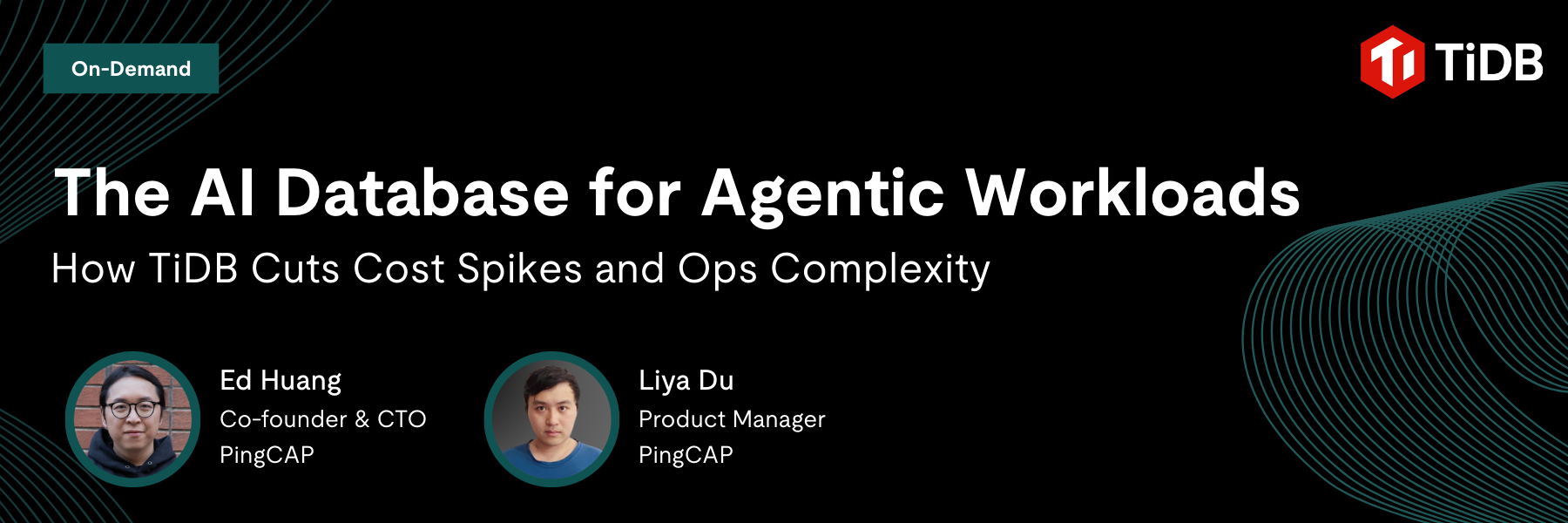
Agentic AI is raising the bar for what “modern” database infrastructure needs to handle. It is not only higher throughput. It is also burstier, more variable workloads, more short-lived environments, and faster iteration cycles driven by agents that create demand spikes and operational churn.
In this webinar, we’ll show how TiDB is built to meet that reality for teams that need to move fast without inheriting enterprise-level overhead. We’ll walk through how TiDB helps reduce cost surprises, simplifies operations through a unified platform (transactions + analytics + AI-ready capabilities), and stays resilient as workload patterns shift.
You’ll walk away with guidance on:
- Designing for agent-driven burstiness and hyper-elastic demand (and what to prioritize in the data layer)
- Consolidating transactional, analytical, and AI workloads to cut pipeline sprawl and operational overhead
- Scaling without re-architecting as tenants, data, and traffic grow (no sharding-first mindset)
- Keeping costs aligned with real usage by minimizing idle capacity and improving cost predictability during spikes
Speakers:
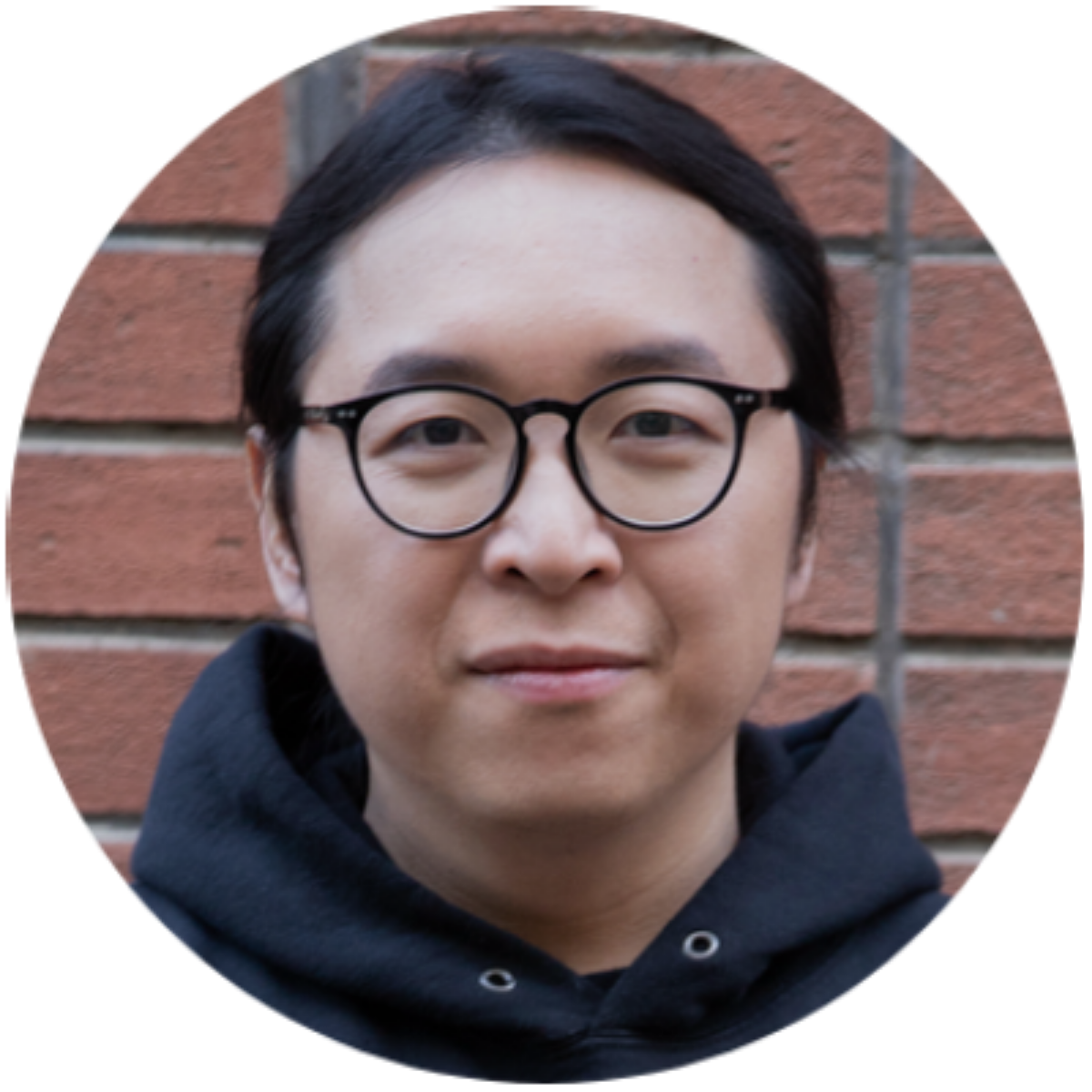
Ed Huang, Co-founder and CTO, PingCAP
Ed Huang is co-founder and CTO of PingCAP, one of the creators of the TiDB distributed database and the TiKV key value store. While he was at Wandou Labs, Ed worked on clustering Redis and created and open-sourced Codis, a proxy based high performance Redis cluster solution. He decided to focus on the next generation database and went on to found PingCAP and create TiDB and TiKV.

Liya Du, Product Manager, TiDB
Liya Du is a product leader at PingCAP, the company behind TiDB, where he helps builders scale transactional and real-time analytics workloads in the cloud. Before PingCAP, Liya was a Principal Program Manager at Microsoft, working on multiple domains including renovating the current Microsoft Learn and DevX and IoT operating system. He has shipped experiences across databases, embedded systems, and developer tooling, and frequently speaks about distributed SQL and HTAP for modern applications.