
Elevate modern apps with TiDB.
This Leading Malaysian Bank is a major financial institution offering full banking services to both retail and corporate customers. It employs about 7,000 people, operates 126 branches, and serves roughly 2.8 million customers, establishing itself as a long-standing regional leader.
The Leading Malaysian Bank has achieved a key milestone in its Digital Twin Core strategy by deploying a digital native core banking system—referred to as “M” by S company and powered by TiDB—running in parallel with its legacy SS Core Banking System (built in RPG on DB2). With escalating technical debt and a diminishing pool of RPG/DB2 expertise, the bank’s vision is to gradually migrate away from its legacy system over the next 5–7 years.
As a first step, the Leading Malaysian Bank launched an unsecured lending product that allows new customers to apply and receive digital approval, bypassing branch visits. This pilot not only meets immediate business goals but also lays the foundation for iterative digital product innovations and a smooth, risk-mitigated transition from legacy to digital core.
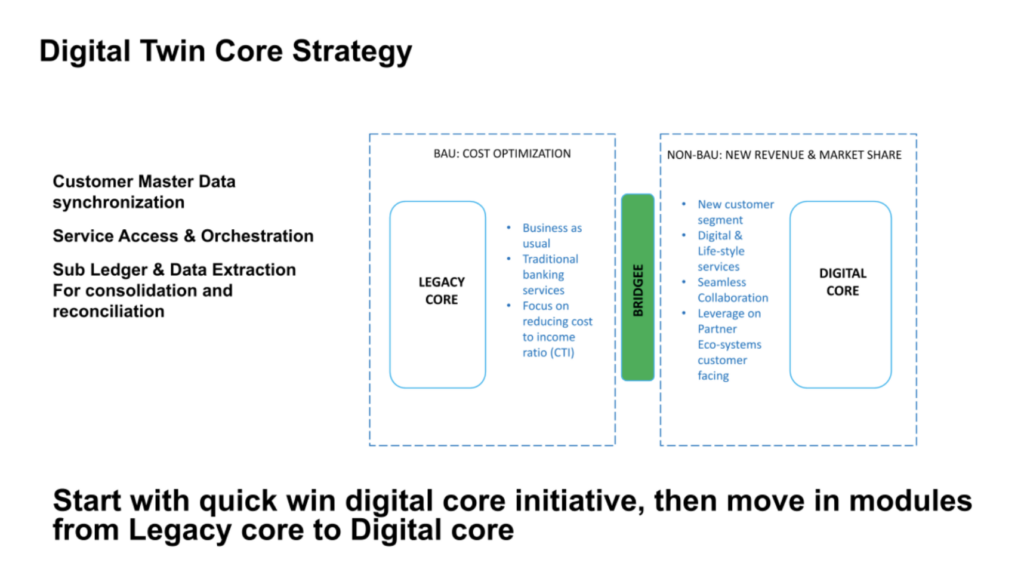
Figure 1: A Leading Malaysian Bank’s Digital Twin Core Strategy
However, challenges in acquiring new customers through traditional channels and the high cost of supporting an outdated legacy system have driven the need for digital innovation.
The Leading Malaysian Bank’s current core banking system is built on SS Legacy Core using DB2 on a Power Series Platform—a setup that is both inflexible and difficult to modify. Daily End-of-Day (EOD) processes, including interest accruals, month-end IFRS9 reporting, and General Ledger reconciliation, require several hours of batch processing and necessitate taking the system offline. The narrow window for these critical processes leaves little margin for error.
Following an earlier setback in launching digital banking initiatives, the Leading Malaysian Bank has been forced to operate three different core banking systems, resulting in a cost-to-earning ratio exceeding 0.65—well above the industry norm of 0.5. This multi-system approach has compounded operational complexities and increased overall costs.
To meet future demands, the bank specified that any new relational database management system (RDBMS) must support MySQL and be fully cloud native, ensuring agility, scalability, and lower total cost of ownership.
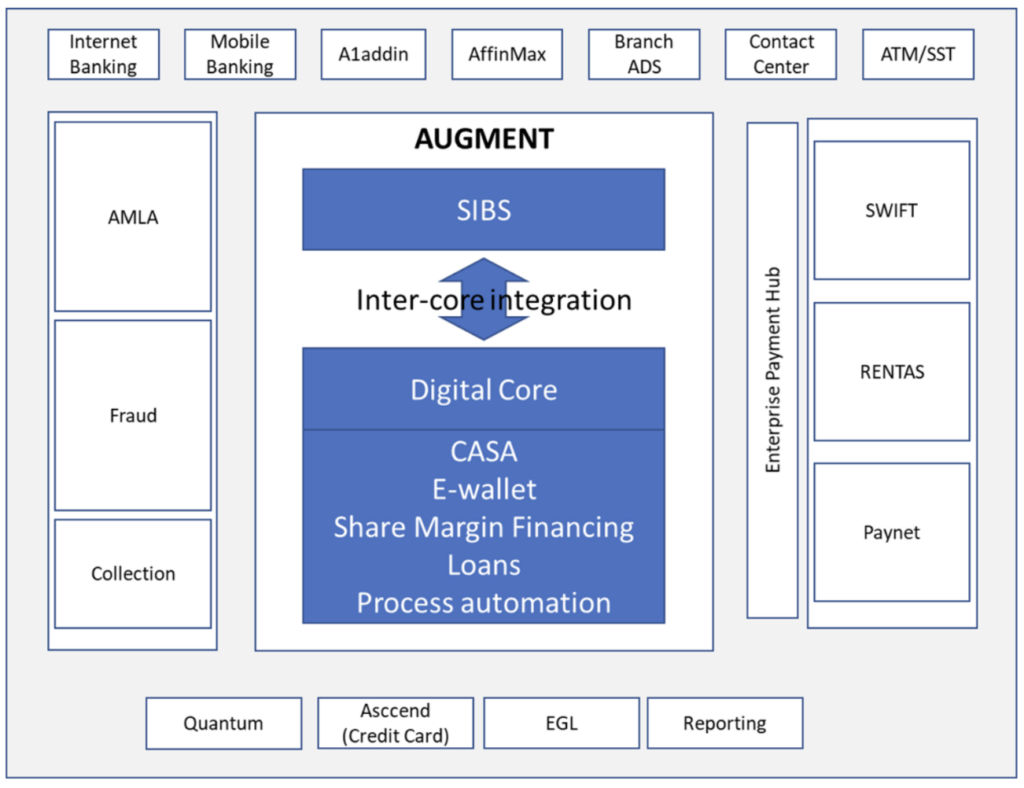
Figure 2: A Leading Malaysian Bank’s Digital Core “M” Solution
The Leading Malaysian Bank deployed TiDB within its digital core as part of the “M” solution—a strategic move highlighted in its blue integration layer. The primary focus during this initial phase was to lay the foundation for a seamless twin core integration while preserving data integrity and service levels. Key functions included:
Implemented in the Leading Malaysian Bank’s Azure tenant, the production architecture leverages TiDB’s active-active node configuration to support both real-time OLTP and batch EOD processing. This architecture not only provides high availability and scalability but also meets stringent performance and data integrity requirements.
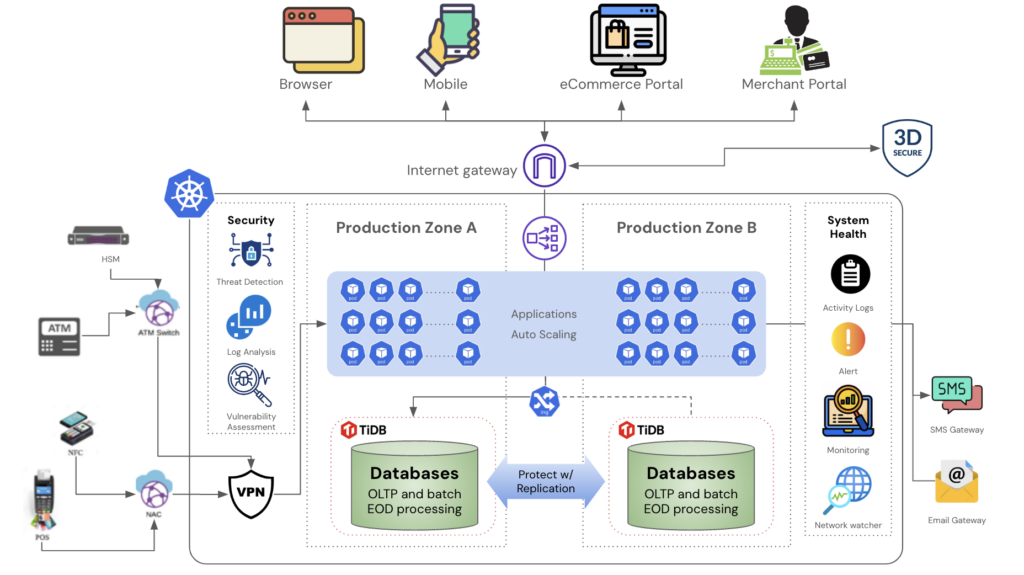
Figure 3: A Leading Malaysian Bank’s Solution Data Architecture
The bank successfully launched its pilot unsecured lending product, targeting up to 300,000 customers. Running entirely on Azure, this new digital solution has already established the groundwork for twin core integration, providing a strong proof of concept for future digital initiatives.
Note: Detailed key performance metrics have not been released yet.
The Leading Malaysian Bank’s digital journey is just beginning. Building on the pilot’s success, the bank plans to:
While still in its early stages, the TiDB-powered digital core has already demonstrated exceptional scalability, ease of management, and agility—key factors in reducing technical debt and supporting the Leading Malaysian Bank’s long-term digital transformation.
The initial pilot not only validates the twin core strategy but also sets the stage for further consolidation of the bank’s database landscape. Impressed by its robust performance and future-proof design, the Leading Malaysian Bank’s head of infrastructure is now considering expanding TiDB’s role to modernize their entire database ecosystem.
If you’re ready to drive digital innovation, boost operational efficiency, and achieve sustainable growth, it’s time to explore how TiDB can transform your organization’s data strategy.
Elevate modern apps with TiDB.